
The parts of a rolling bearing
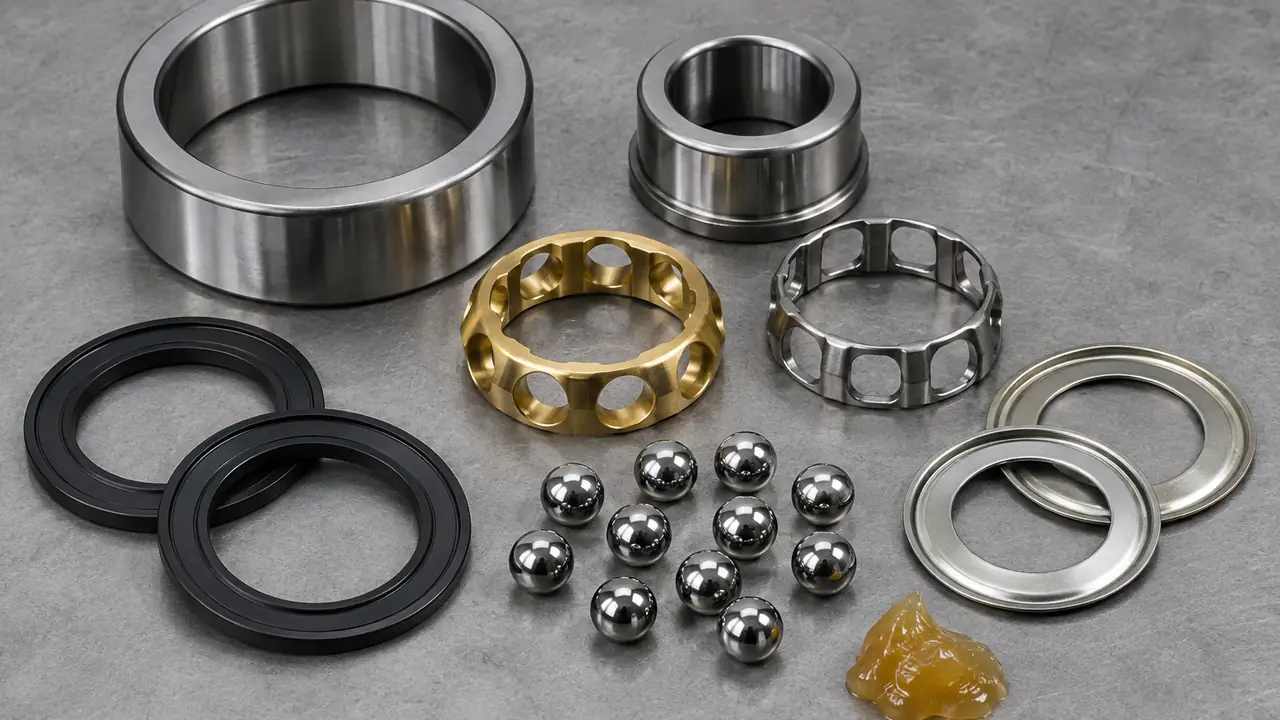
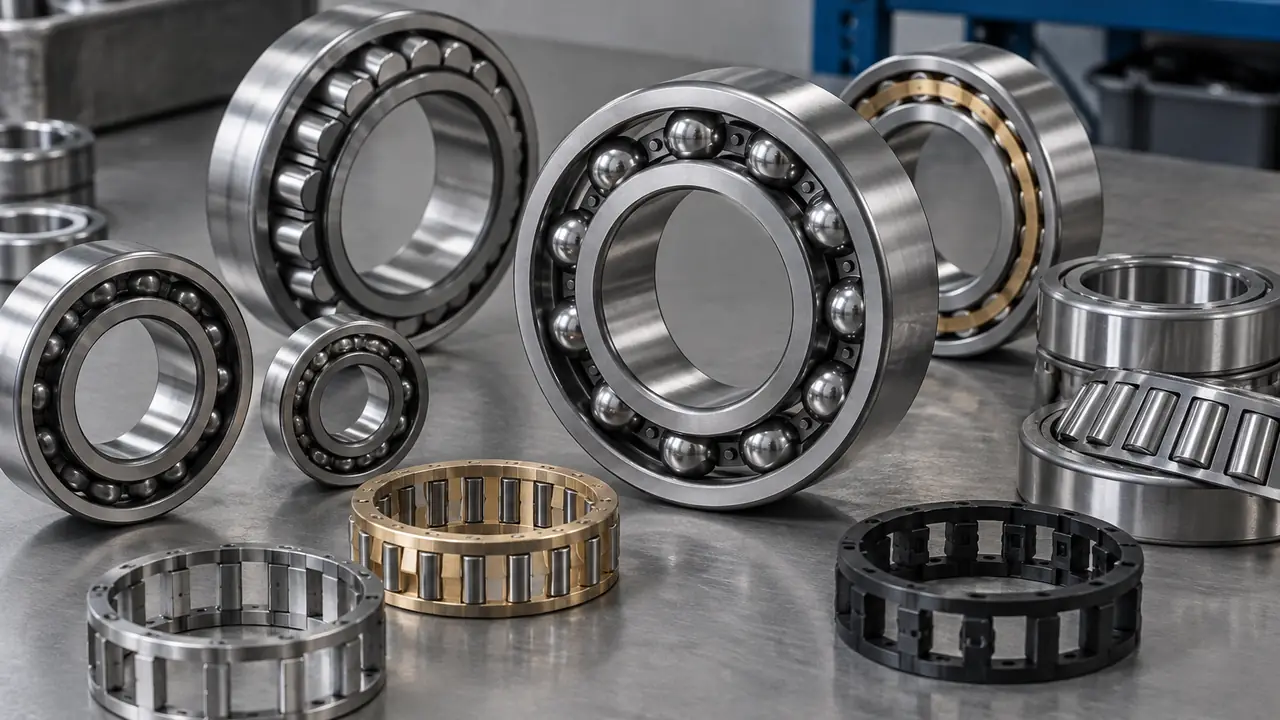
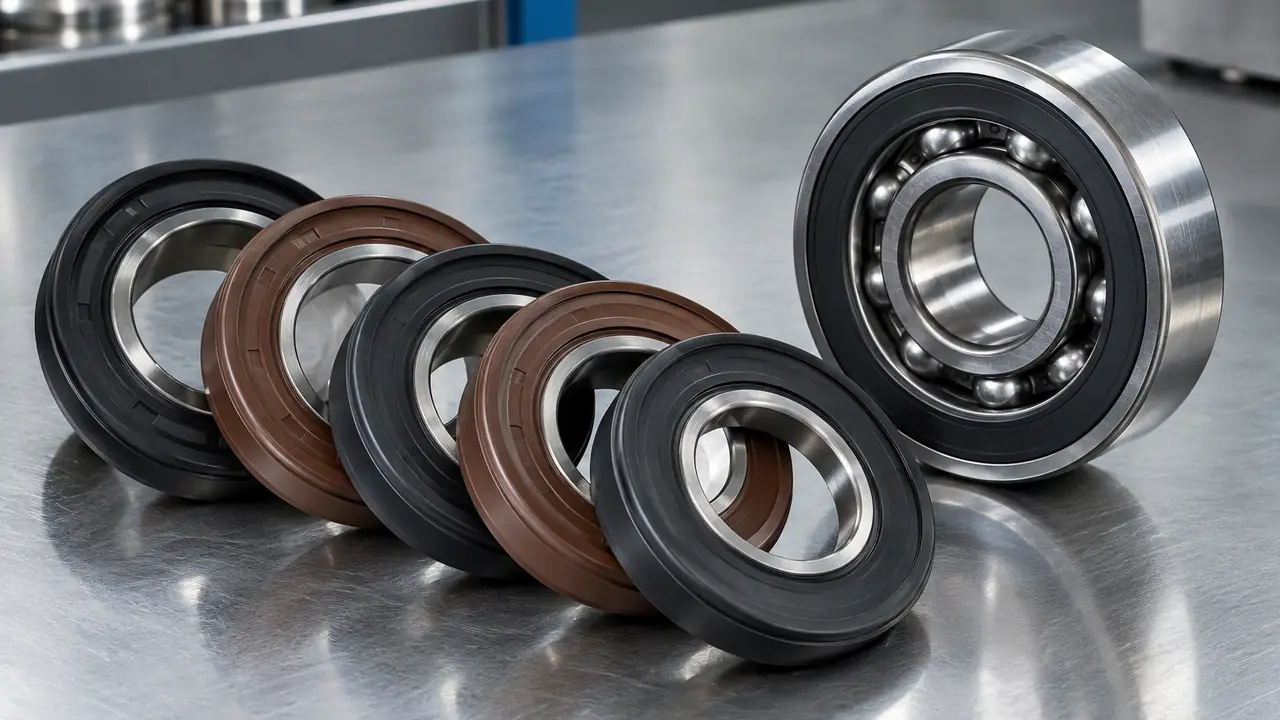
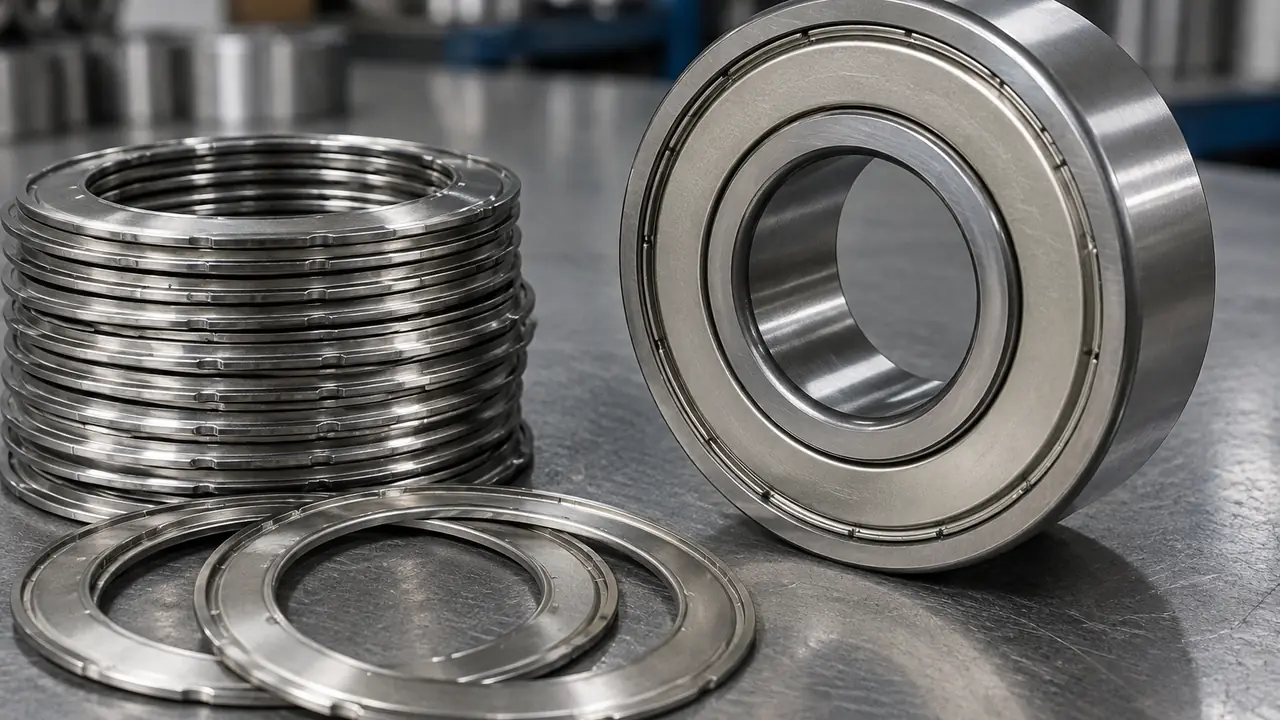
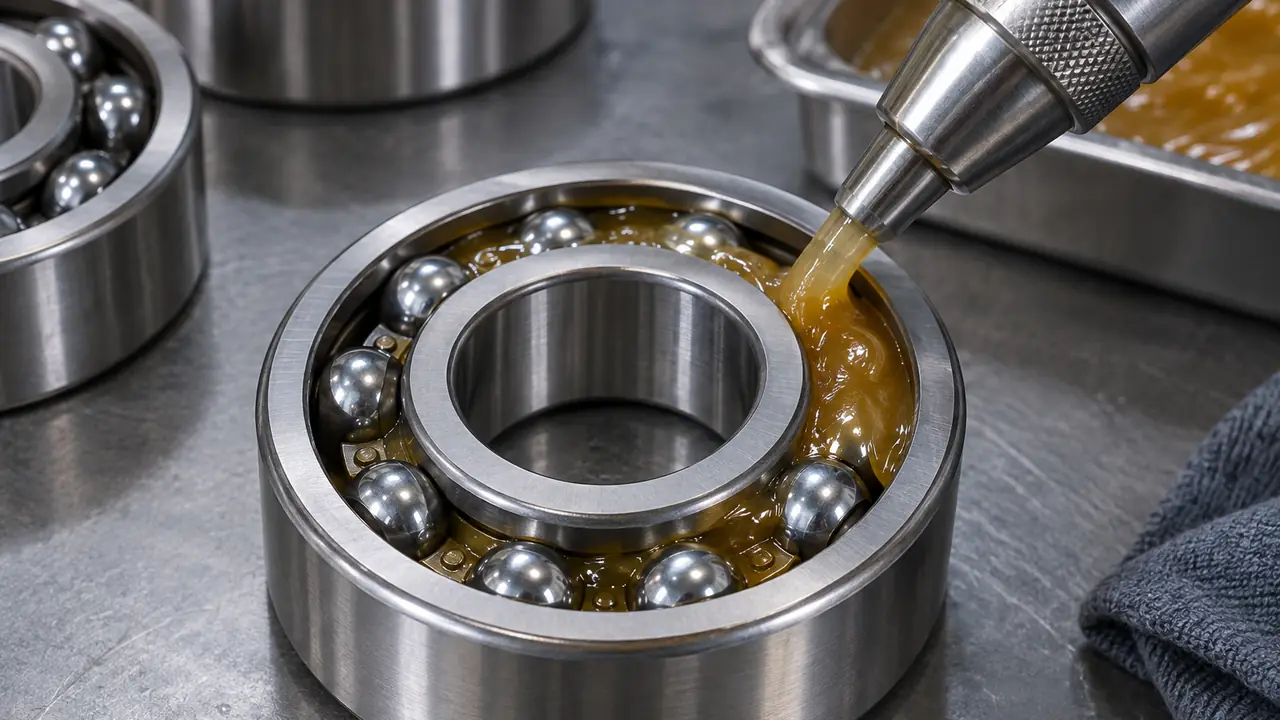
A rolling bearing looks like one object but is built from a handful of precisely made parts. The inner ring fits the shaft and the outer ring fits the housing; both carry hardened raceways. Between them run the rolling elements - balls or rollers - kept apart by a cage. Many bearings add seals or metal shields on the faces and a fill of grease. Each part has its own material, its own tolerance and often its own maker, which is why a bearing is only as consistent as the weakest component in it.
Buying these parts separately makes sense in a surprising number of cases. A repair shop may replace only a worn cage or a set of balls. A maker of conveyor rollers or pulleys may assemble its own bearings from rings and balls. An OEM may buy turned rings and finish them in-house. A distributor that sells repair kits needs seals and shields in volume. The desk sources for all of these buyers; for finished bearings see the ball bearings and roller bearings hubs.
Components and what to specify
| Component | Typical material | Key specification | Page |
|---|---|---|---|
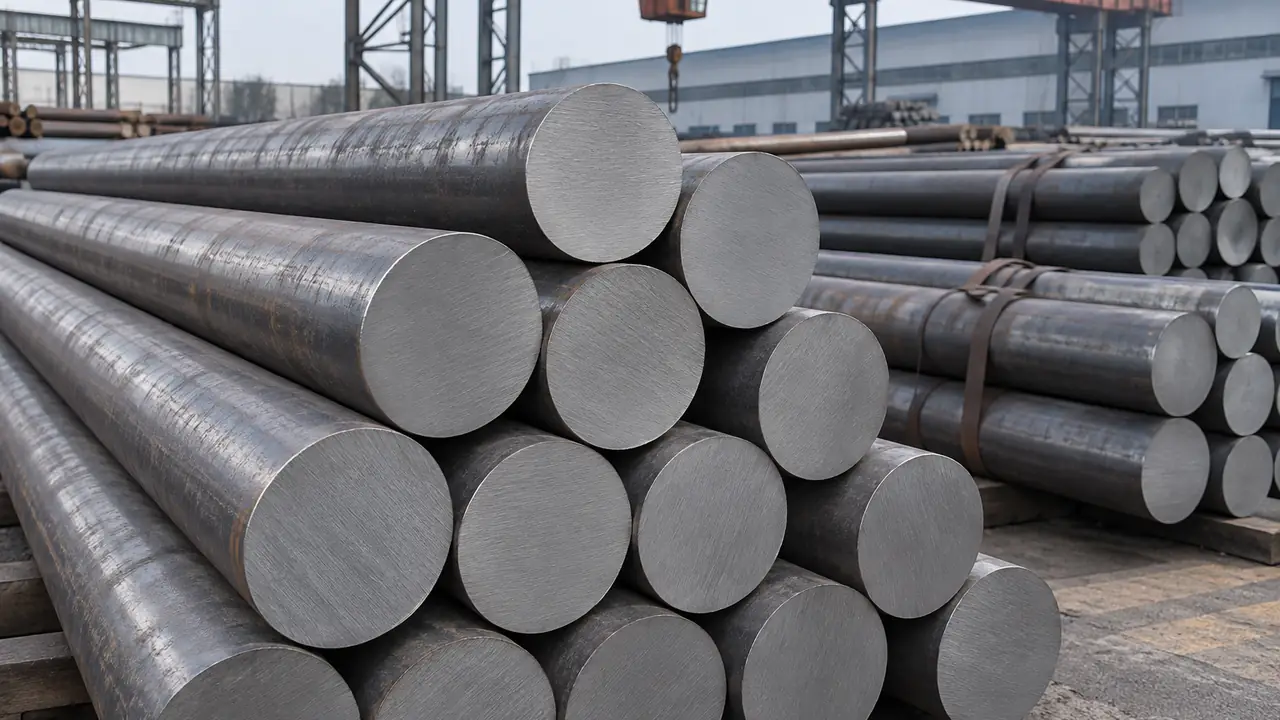
| Steel | GCr15 (52100, 100Cr6), carburizing steel, 440C | Grade, cleanliness, form (bar, tube, wire) | Bearing steel |
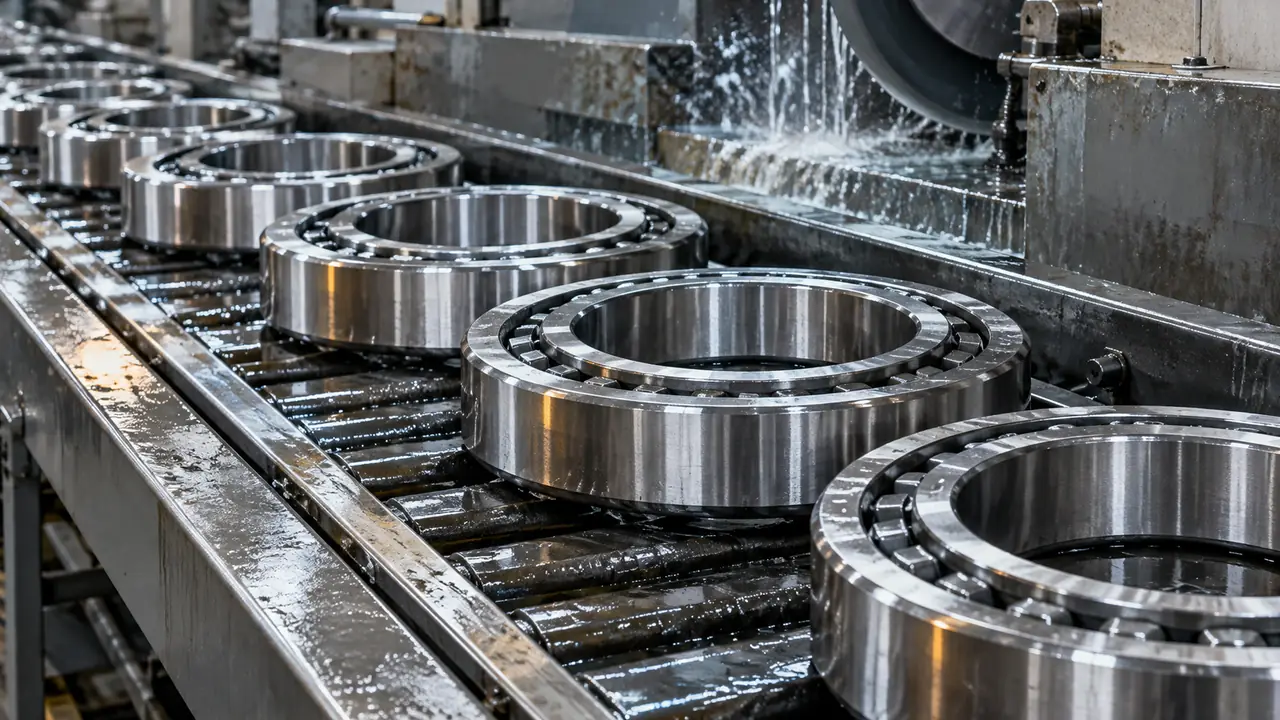
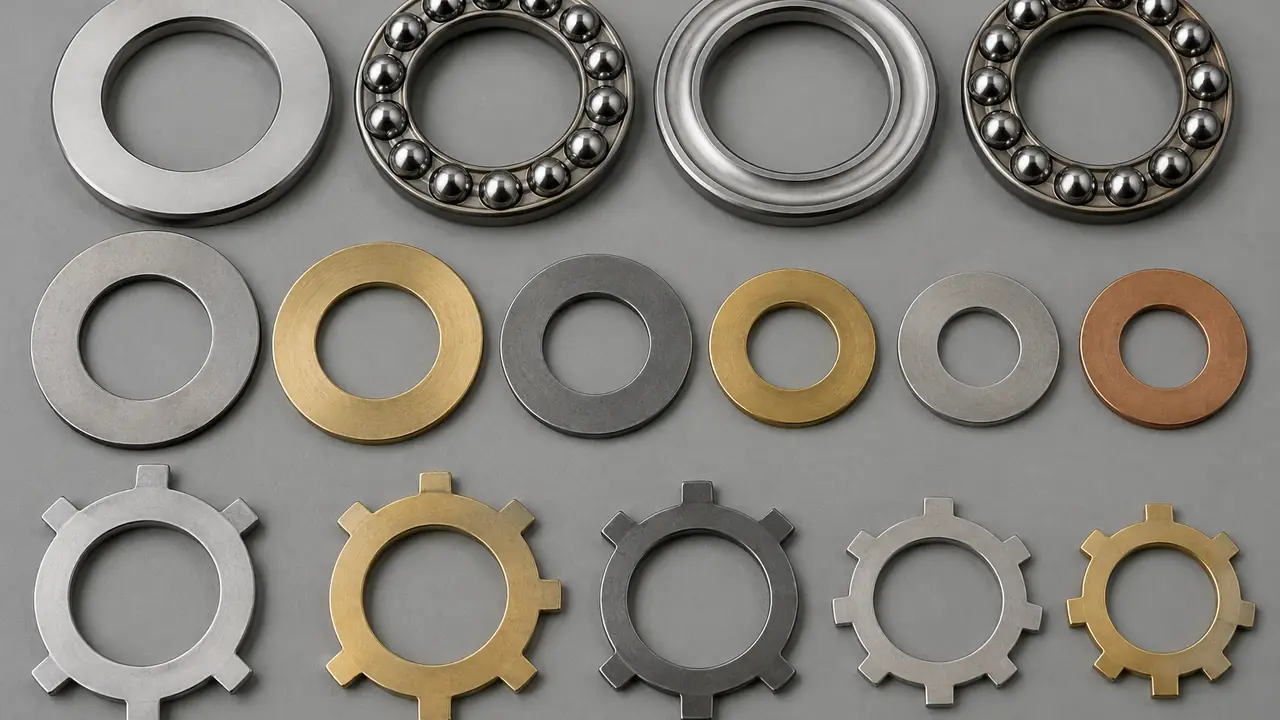
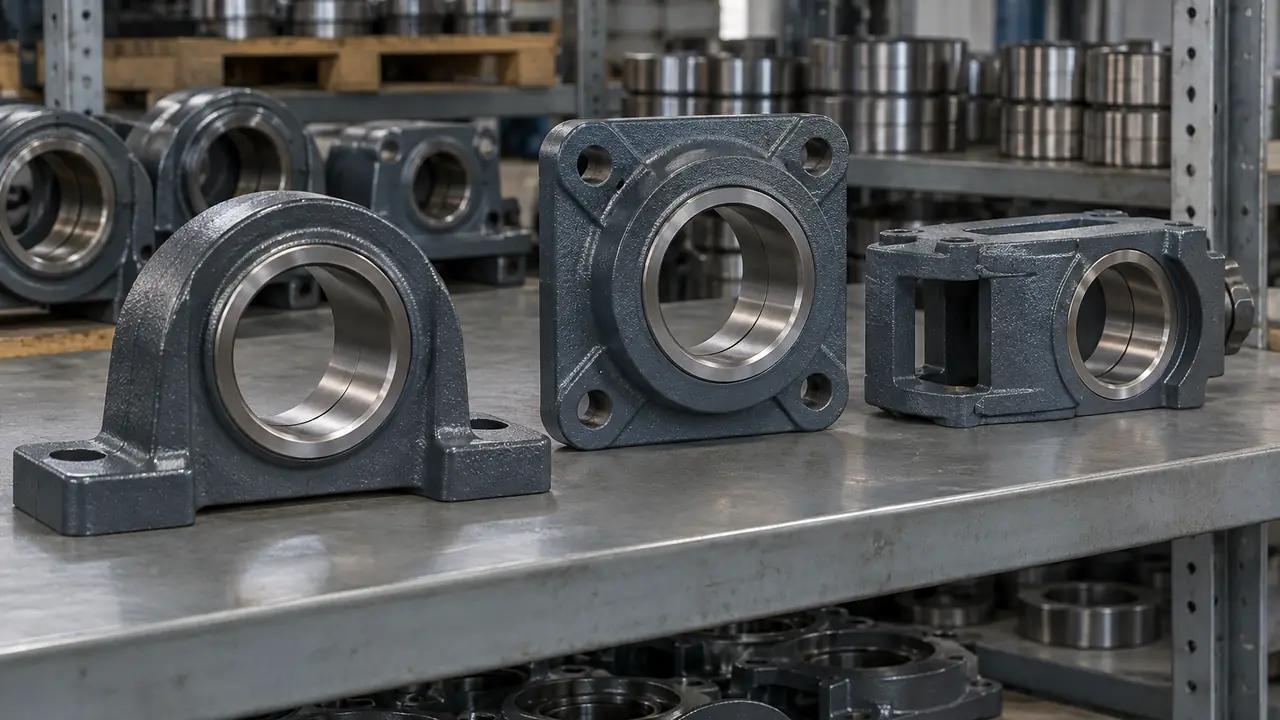
| Rings | Through-hardened or carburized steel | Drawing, tolerance class, turned or ground | Bearing rings |
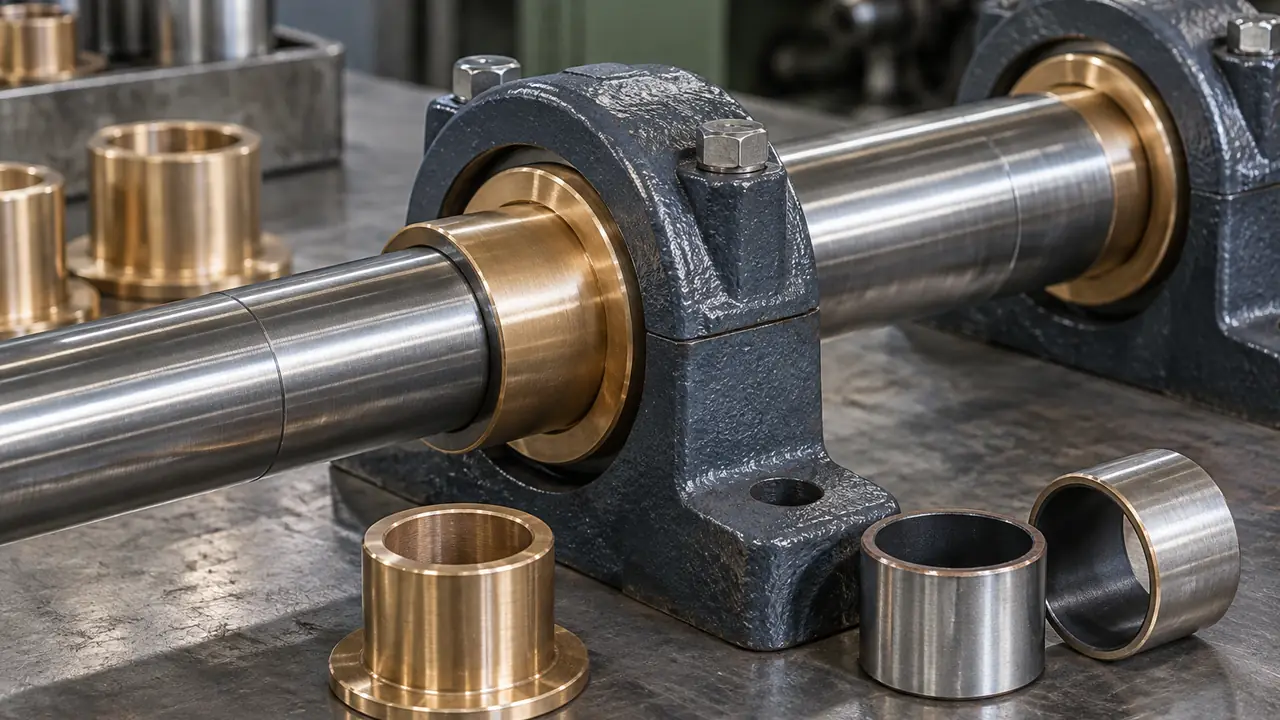
| Cage | Pressed steel, brass, PA66-GF, phenolic | Type, pocket design, material | Bearing cages |
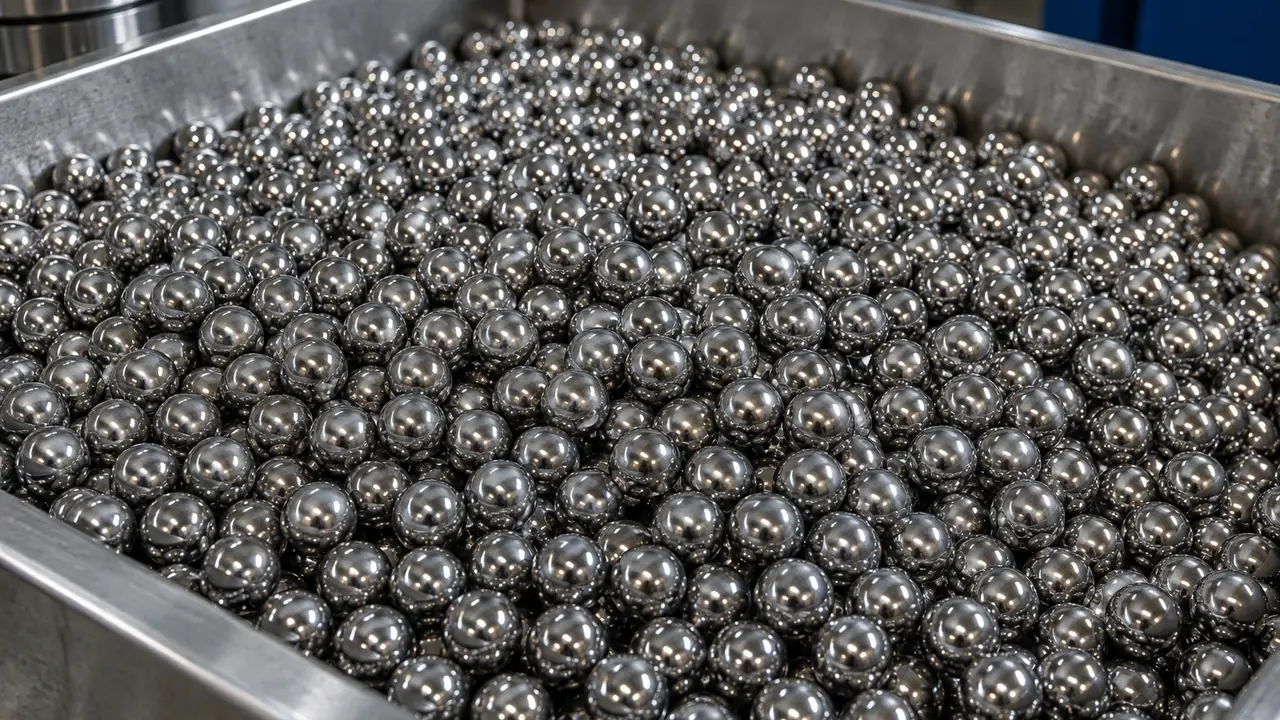
| Balls | Chrome steel, stainless, ceramic | Diameter, ISO 3290 grade | Bearing balls |
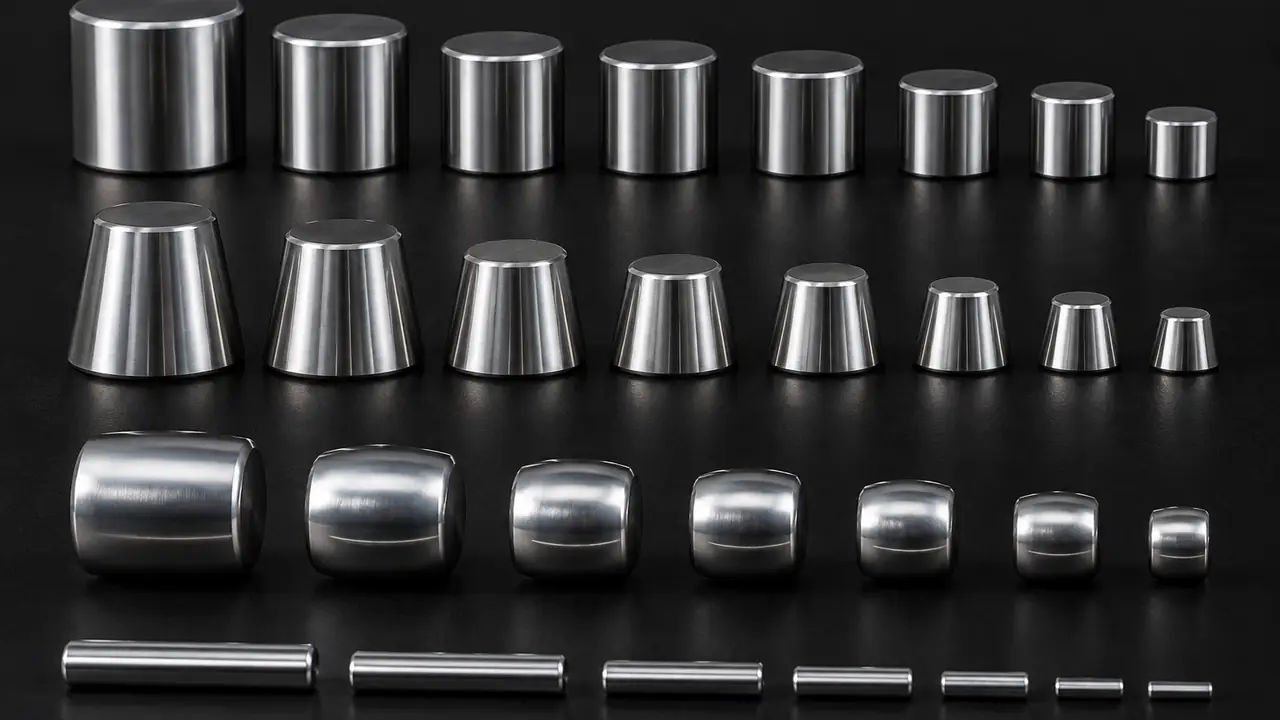
| Rollers | Chrome steel | Type, size, profile, sorting | Bearing rollers |
| Seals | NBR, FKM rubber on a steel core | Contact or non-contact, size to bearing | Bearing seals |
| Shields | Stamped steel | Z or ZZ, size to bearing | Bearing shields |
| Grease | Lithium, complex lithium, polyurea | Temperature, speed, noise, base oil | Bearing grease |
Dimensions of rings and cages are matched to a bearing designation, so the quickest way to ask is by designation plus the part you need - for example the cage for a given deep groove size. Nominal bearing sizes are listed in the size chart; always confirm against the drawing or supplier datasheet.
How the component supply chain is organised
Component making is a specialised, separate industry from bearing assembly. Industry analyses describe the Liaocheng cluster in Shandong, centred on Yandian in Linqing, as the largest cage production base in China and a trading market for bearing parts, with steel ball makers in the nearby Dong'e area, cage makers around Zhengjia town and seal makers around Guan county. Ring forging and turning is done by specialist plants close to the large bearing clusters, and rolling element makers often sit near the steel supply. This matters to a buyer: a plant that makes complete bearings usually buys its balls, cages and seals from these specialists, so sourcing the part directly can skip a step.
The desk uses this structure. For each program it shortlists a component maker by the part, the grade and the volume, asks for the material certificate and a sample lot, and arranges inspection before shipment. Read more about the clusters.
Matching parts to a bearing
A set of components only works as a bearing when the parts agree with each other. Three relationships matter most.
- Ball or roller size and ring raceway. The rolling element diameter and the groove radius set the contact and the load share. Replacing balls with a different size or grade changes clearance and noise.
- Cage and rolling elements. Pocket size and cage type must suit the rolling element and the speed; a cage swapped for another material changes friction and temperature limits.
- Ring tolerance and internal clearance. Ring bore, outside diameter and raceway size decide the final radial clearance. See tolerance and clearance.
Ordering components
Components are normally counted in thousands: balls, cages and seals commonly start in the order of ten thousand pieces per specification, while turned rings are quoted from the drawing and a trial lot. Samples of standard parts typically ship in 3-7 working days and custom samples take 15-30 days. All of these are typical reference ranges and are confirmed in writing for each program. Inspection is agreed per lot - dimensions, hardness, surface and sorting for the part in question, as described under testing and inspection.
To start, send a drawing or designation, the material, tolerance class and annual quantity through the quote form. If you need the complete bearing rather than parts, the custom bearings page explains how drawings are handled.