
One desk, several ways to buy
Rolvane is a sourcing desk, not a single plant. It coordinates partner bearing and component plants in the Chinese clusters, shortlists a plant for each project, arranges inspection and organises shipping. The same desk serves very different buyers, and the way a program is set up changes with the buyer: an equipment maker cares about repeatable drawings, a distributor about the breadth of a stock list, a workshop supplier about fitting the right part the first time.
The programs below are not product lists. Each one is a way of working: which plants are shortlisted, what is inspected, how the paperwork looks, and how lots are packed. The product lines themselves are on the products page; this page is for choosing the program that fits how you buy.
Programs and their typical pain points
| Industry | Typical pain points | Main lines | Documents |
|---|---|---|---|
| OEM equipment makers | Batch-to-batch consistency, drawing-based parts, qualification of a new source | Deep groove, angular contact, cylindrical roller, tapered roller | Drawing check, first article report, lot inspection records |
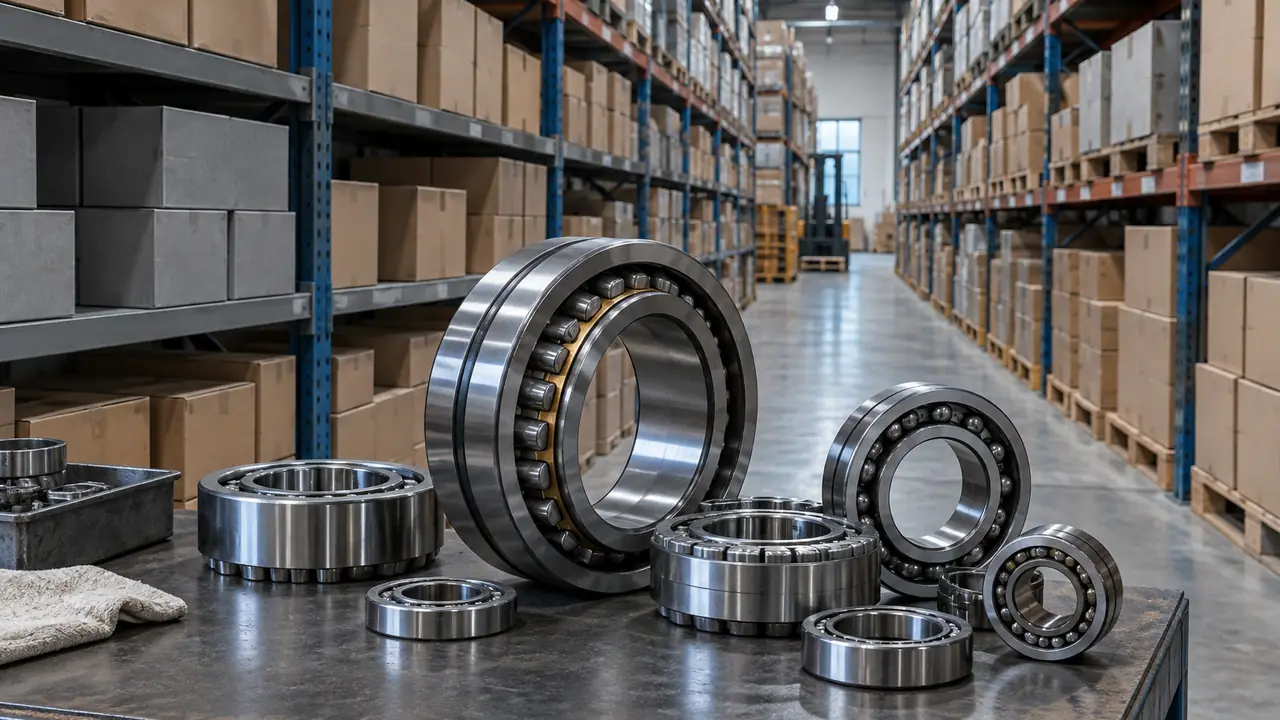
| MRO and bearing distributors | Long designation lists, urgent replenishment, mixed small quantities | Deep groove, pillow block, needle roller, accessories | Packing list per designation, labels, marking approval |
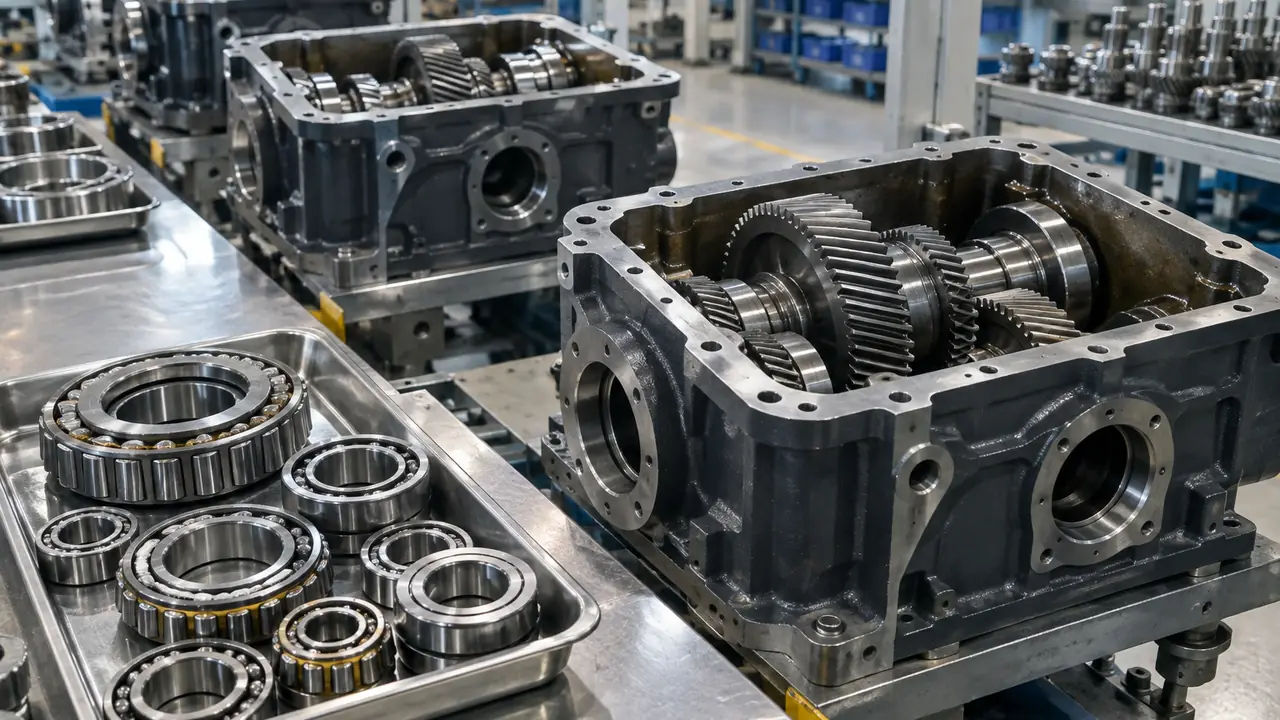
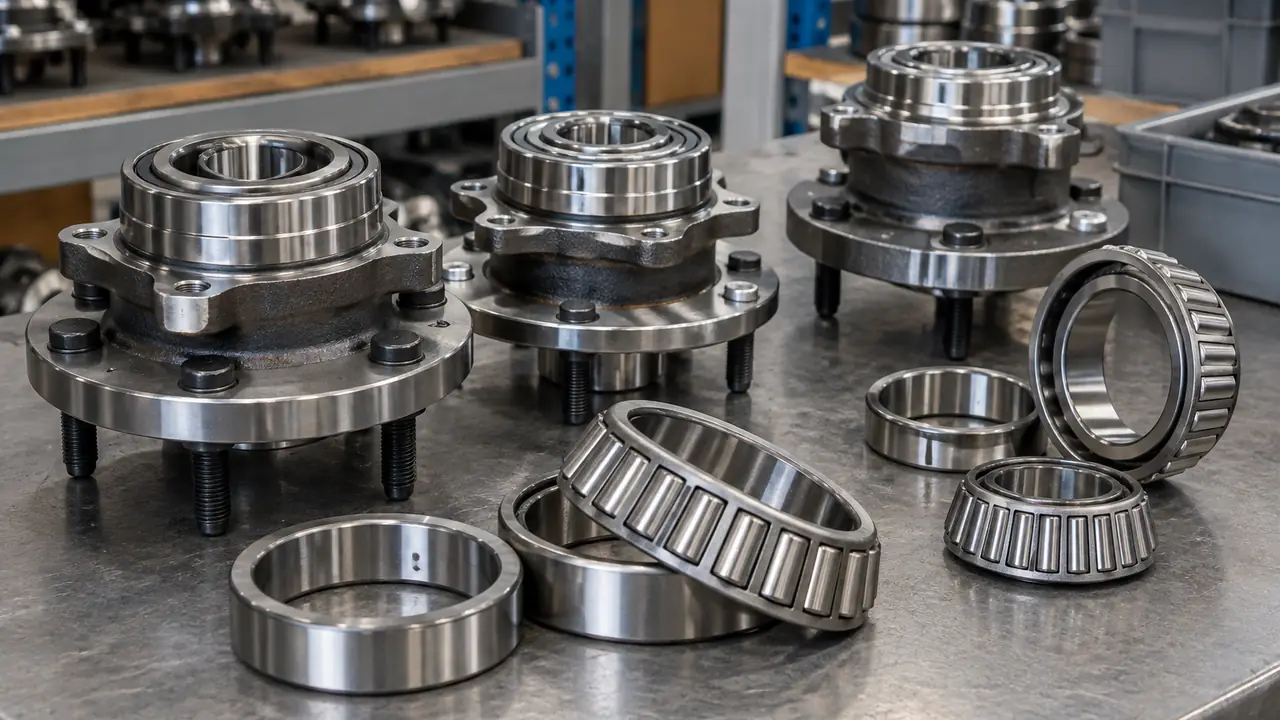
| Automotive aftermarket | Wheel hub and gearbox parts, inch sizes, quality system of the plant | Tapered roller, deep groove, kits | Plant certificate check, fitment table, kit contents list |
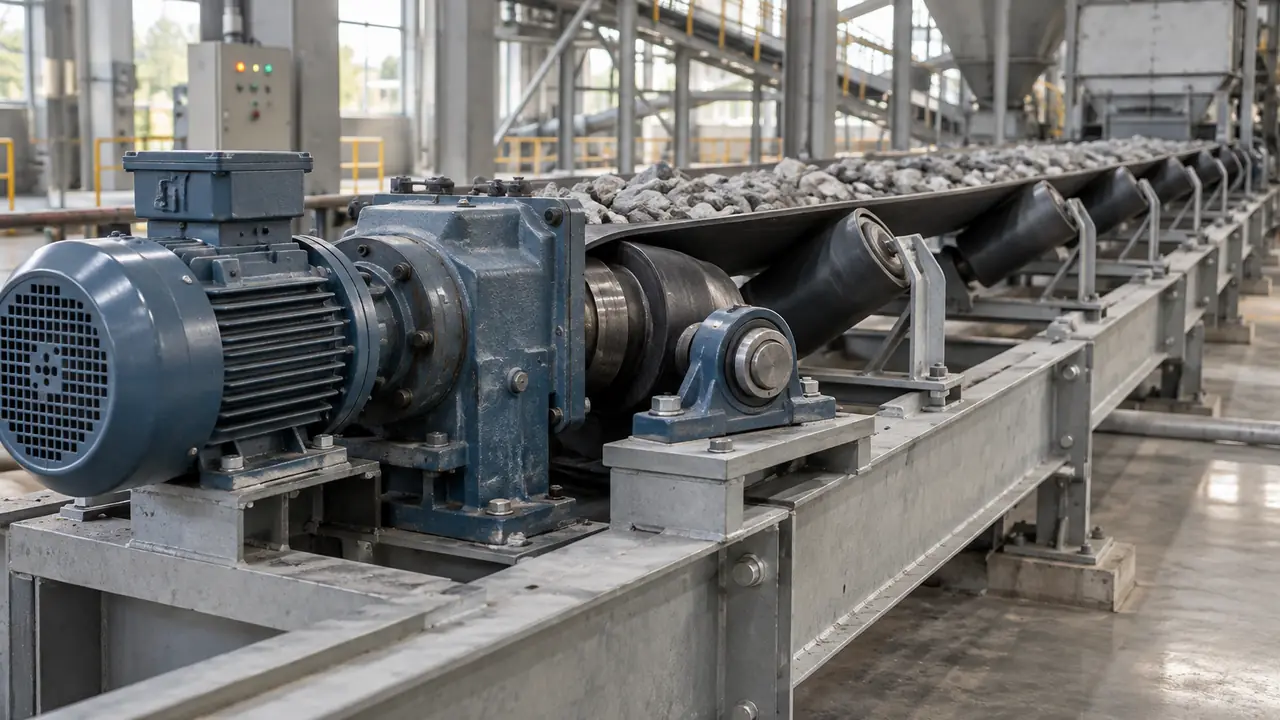
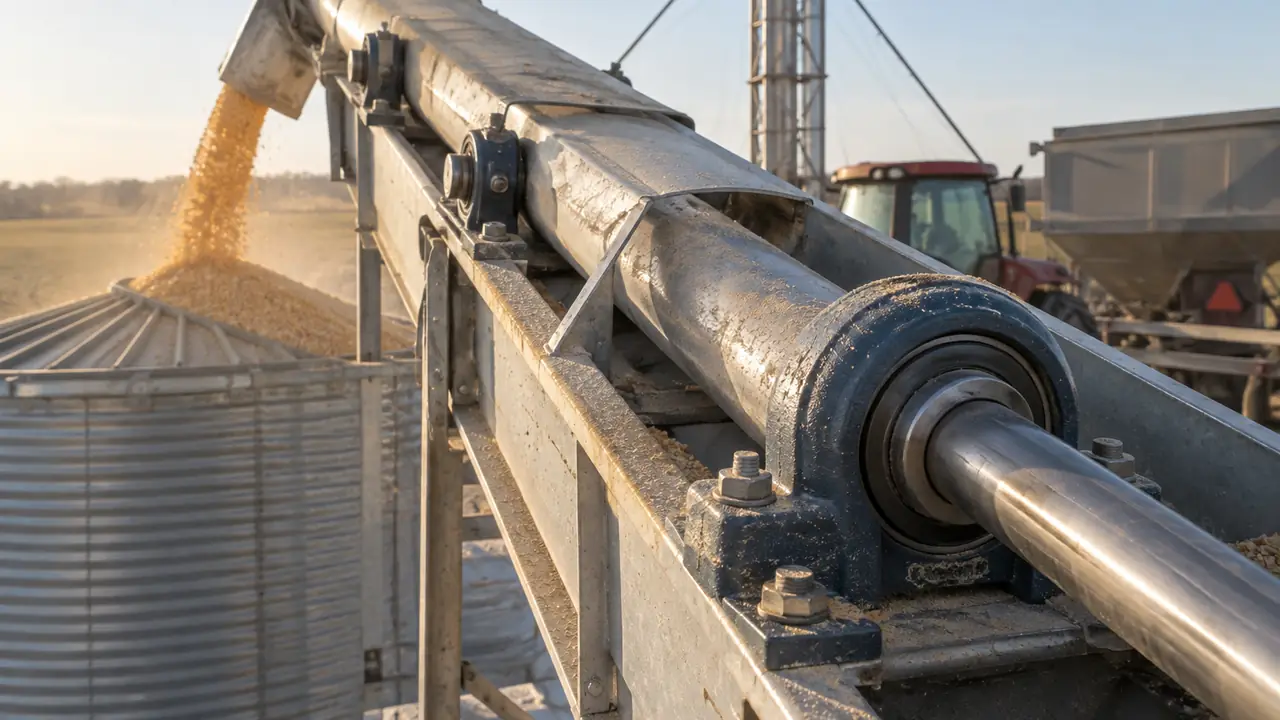
| Agriculture and conveyor | Mud, dust and water, shaft misalignment, short life of seals | Pillow block, spherical, wear-resistant | Seal and housing specification, lot report |
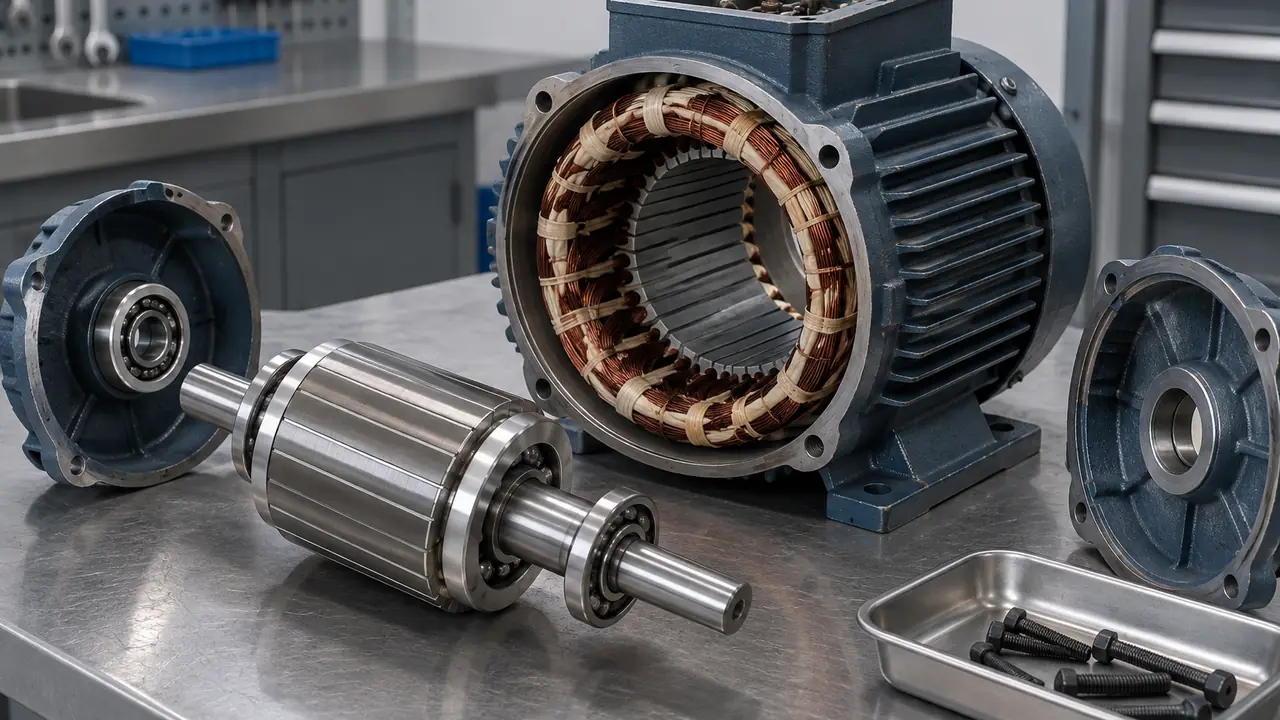
| Motors and appliances | Noise, vibration, heat, small bores | Miniature, deep groove | Vibration grade, clearance group and grease confirmation |
| Automation and robotics | Smooth linear motion, rigidity, precision | Linear, angular contact, ceramic | Tolerance class, preload and fit notes |
| Food and marine | Washdown, corrosion, contamination | Stainless steel, ceramic | Material and grease declarations |
Automation and robotics
There is no separate page for automation because the products are the ordinary lines used with tighter requirements. Linear motion systems rely on linear bearings running on ground shafts, with the shaft hardness and straightness as important as the bearing itself. Joints, spindles and rotary tables use angular contact bearings in paired sets with a defined preload, and high-speed or hybrid ceramic versions where speed, stiffness or electrical insulation matter. Typical requests state a tolerance class such as P5 or P4 under ISO 492, the pairing arrangement and the grease. The desk shortlists plants with precision grinding experience and asks for the inspection method to be written into the order.
Food and marine environments
Washdown lines, packaging machines and boat hardware have one problem in common: water and cleaning chemicals destroy ordinary chrome steel. The usual answers are stainless steel bearings in 440C or AISI 304 depending on the load and corrosion level, with food-grade grease and sealed designs, and ceramic parts where corrosion resistance and low contamination are both needed. Stainless parts carry lower load ratings than the chrome steel equivalent, so the desk asks for the load case and the cleaning regime before recommending a material. Grease approval and material declarations are requested from the plant and confirmed in writing.
Choosing a plant for the program
The clusters differ in what they do well, and the program decides which one is approached. Small and medium deep groove and miniature bearings come mainly from eastern Zhejiang, large and heavy tapered roller types from Liaoning, precision work from around Luoyang, and cages, steel balls and seals from the Liaocheng area of Shandong. Industry analyses suggest that the five main clusters account for roughly 60 percent of national capacity. A distributor with a hundred designations may be served by two or three plants through one consolidated shipment; an equipment maker may be served by one plant held to a drawing. More on the clusters.
How a program starts
- You send designations, drawings or the old part, plus quantities and the markets you ship to.
- The desk shortlists partner plants according to tolerance class, quality system and capacity, not price alone.
- Samples are arranged: 3-7 working days for stock sizes, 15-30 days for custom samples.
- You approve samples and the inspection plan; both are fixed in the order.
- Batch production, inspection, packing and shipping follow, with documents supplied for each lot.
Typical reference ranges: 100-500 pieces per standard designation, around 1,000-5,000 per designation for private-label marking, and 25-45 days for batch production. All are confirmed in writing for each program. See MOQ and lead time for the full picture, or send your list through the quote form.