
When a standard bearing is not the answer
A deep groove ball bearing or a tapered roller bearing is built for continuous rotation of a shaft inside a housing. A lot of real machinery does something else: a carriage slides along a rod, a cylinder clevis tilts a few degrees, a conveyor shaft needs a bearing that arrives already mounted, a washdown line corrodes steel in a month, or a frame runs in dust that would grind a standard seal to nothing. For those jobs the answer is a specialty bearing, and the first decision is which family fits the motion and the environment.
The desk coordinates all seven families below from partner bearing plants, matched to the duty rather than to a catalogue number alone. Start with the motion, then the environment, then the size.
The seven specialty lines
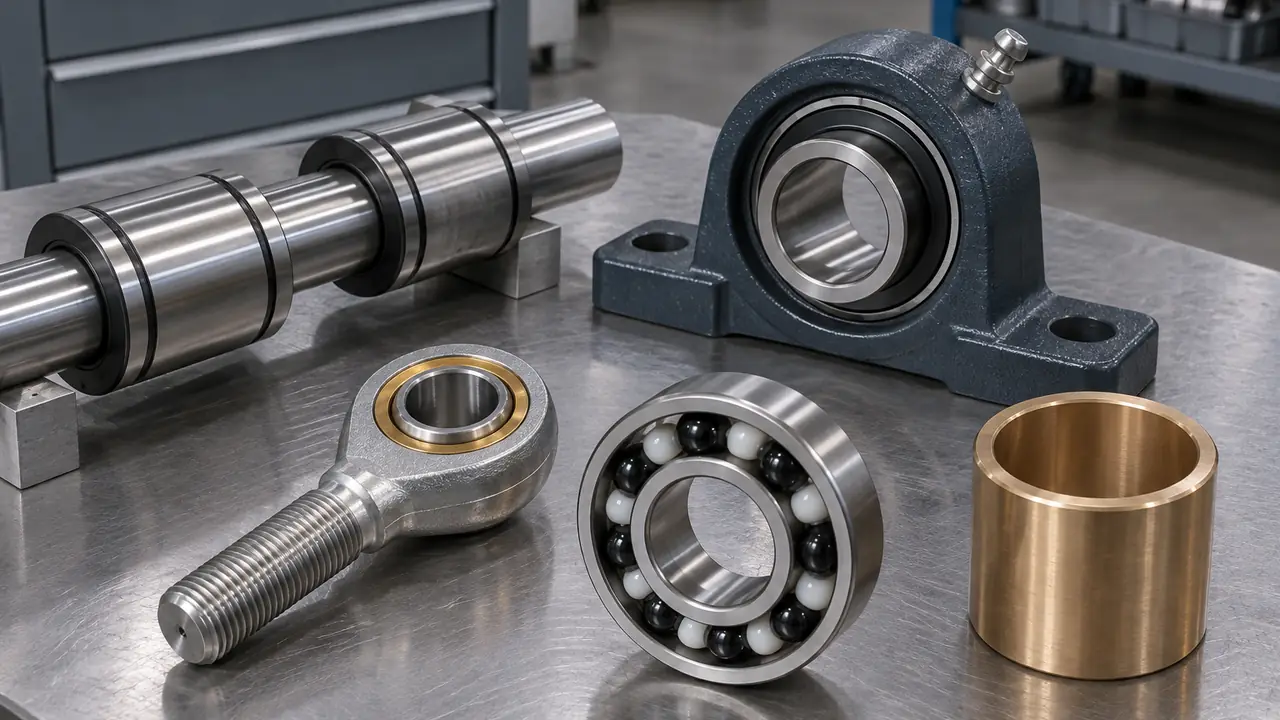
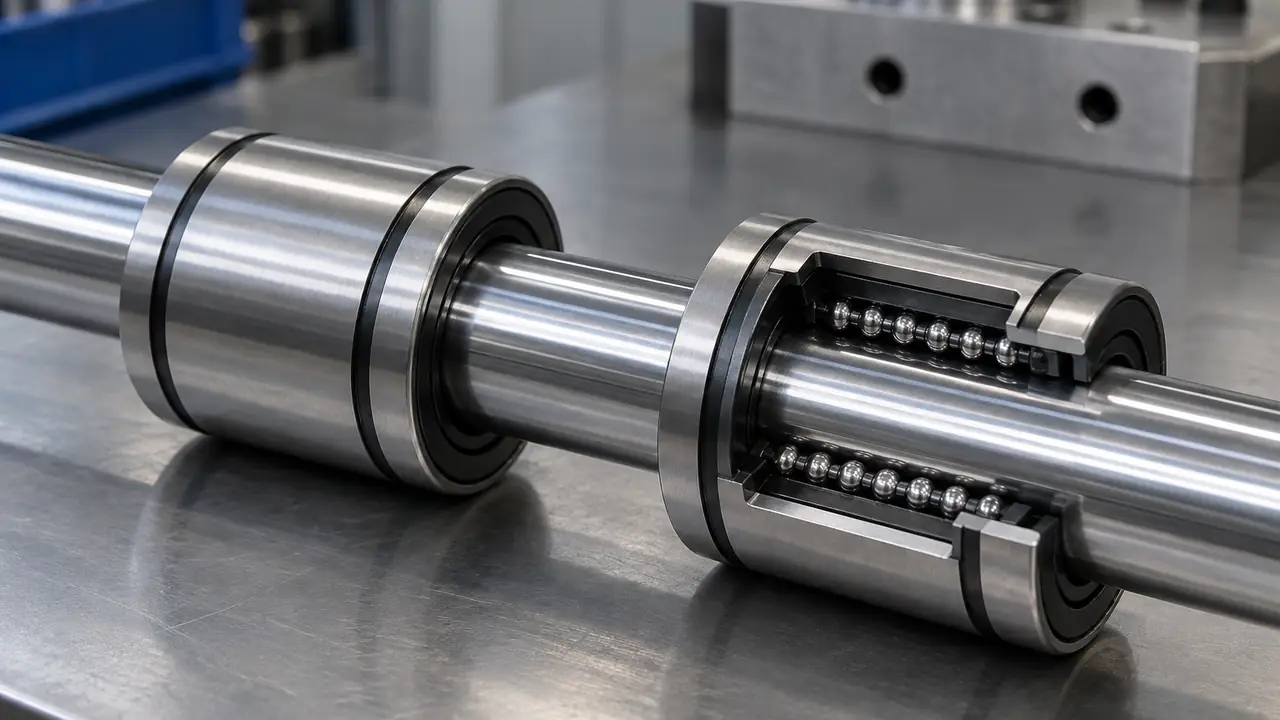
- Linear bearings. Ball bushings that ride a hardened round shaft for straight-line travel - 3D printers, packaging machines, automation slides.
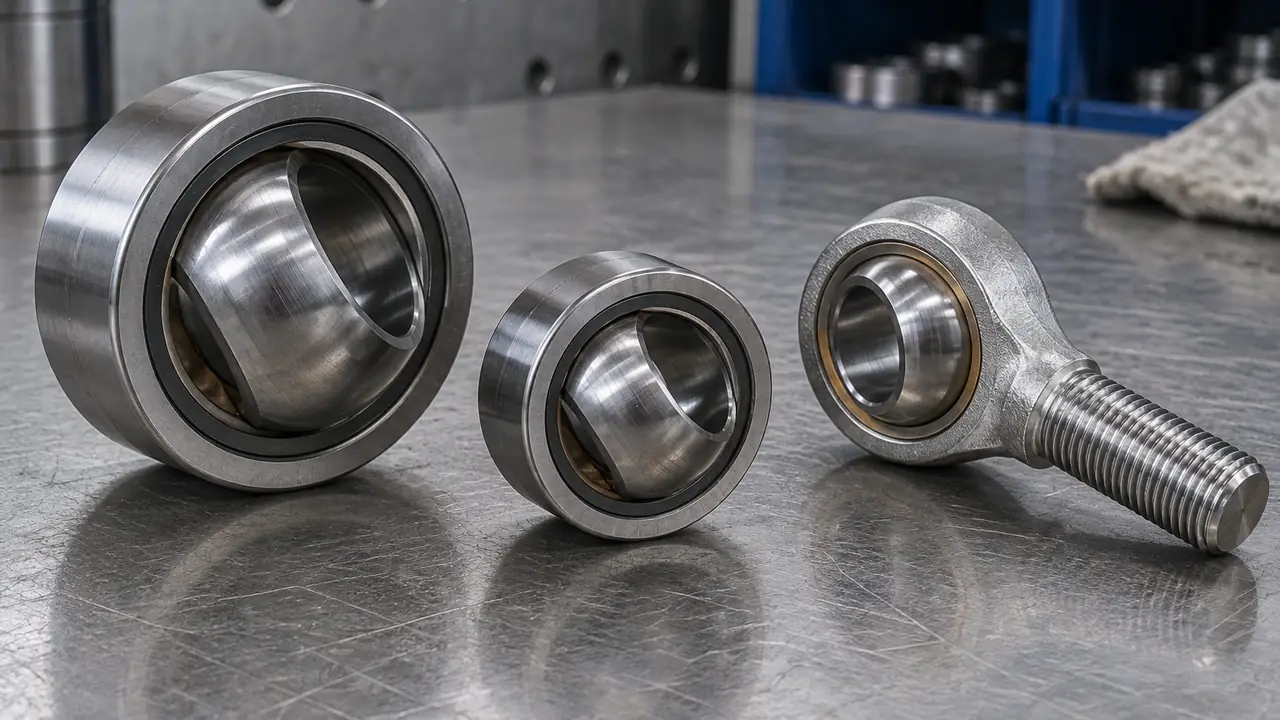
- Spherical plain bearings. A ball sliding in a ring, for oscillation and misalignment under heavy load - hydraulic cylinders, linkages, rod ends.
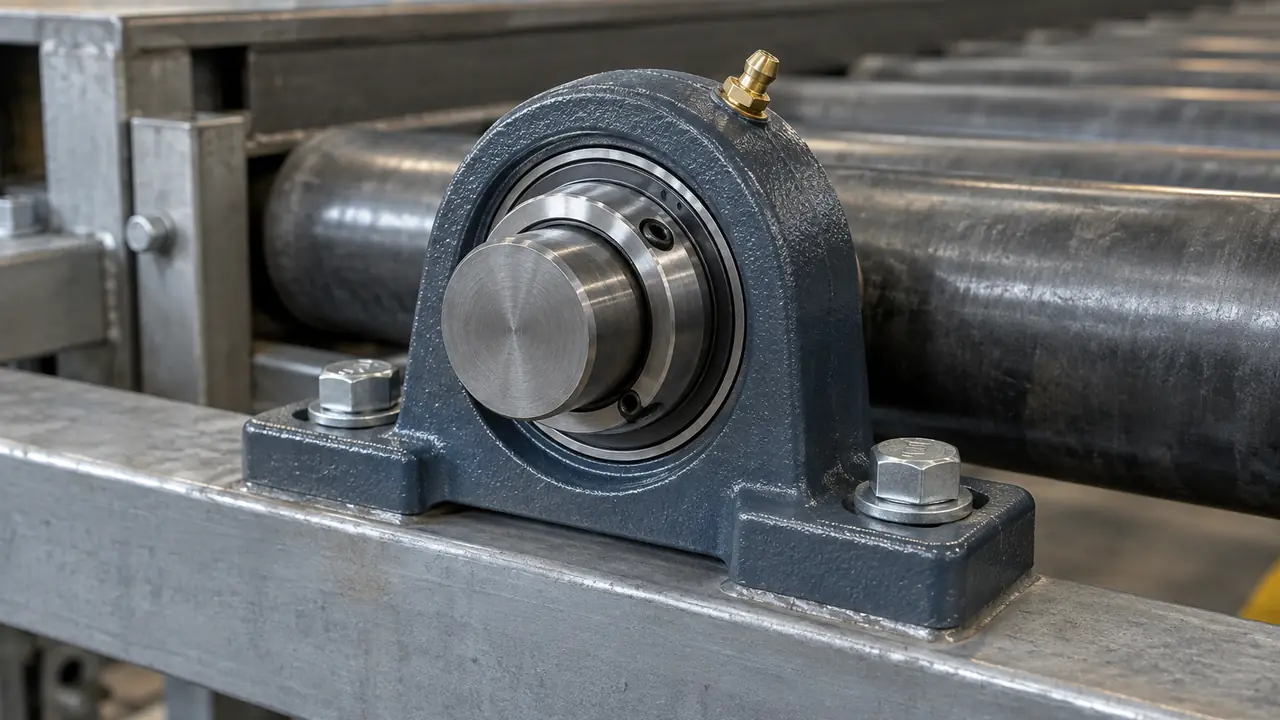
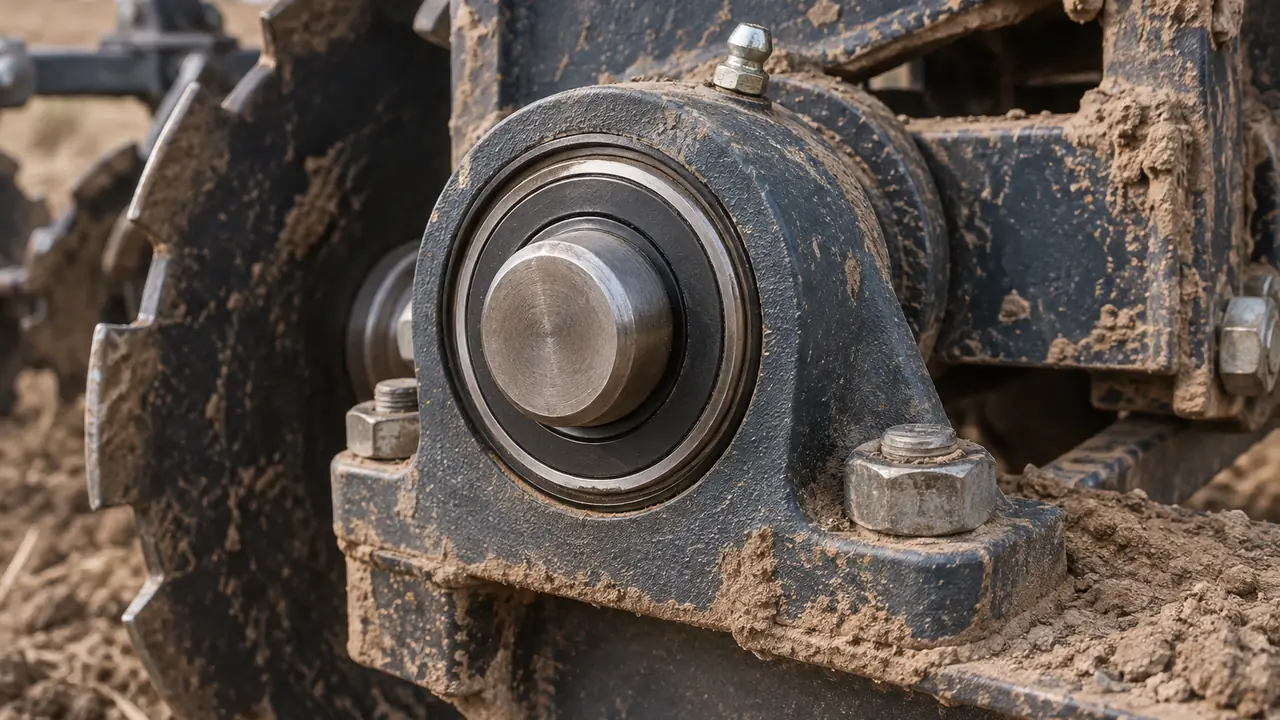
- Pillow block and housed units. An insert bearing in a cast or pressed housing - conveyors, fans, farm machinery.
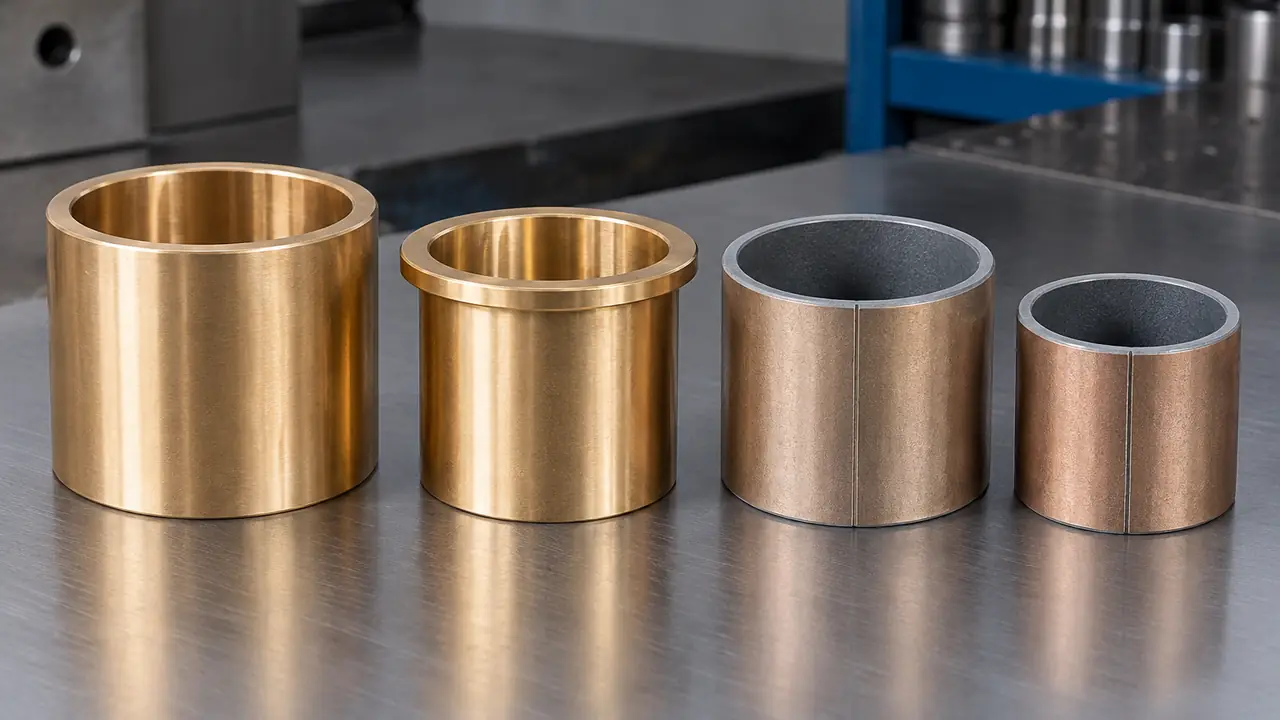
- Plain bearings. Sleeve bushings in bronze, sintered metal, PTFE composite or polymer, with no rolling elements.
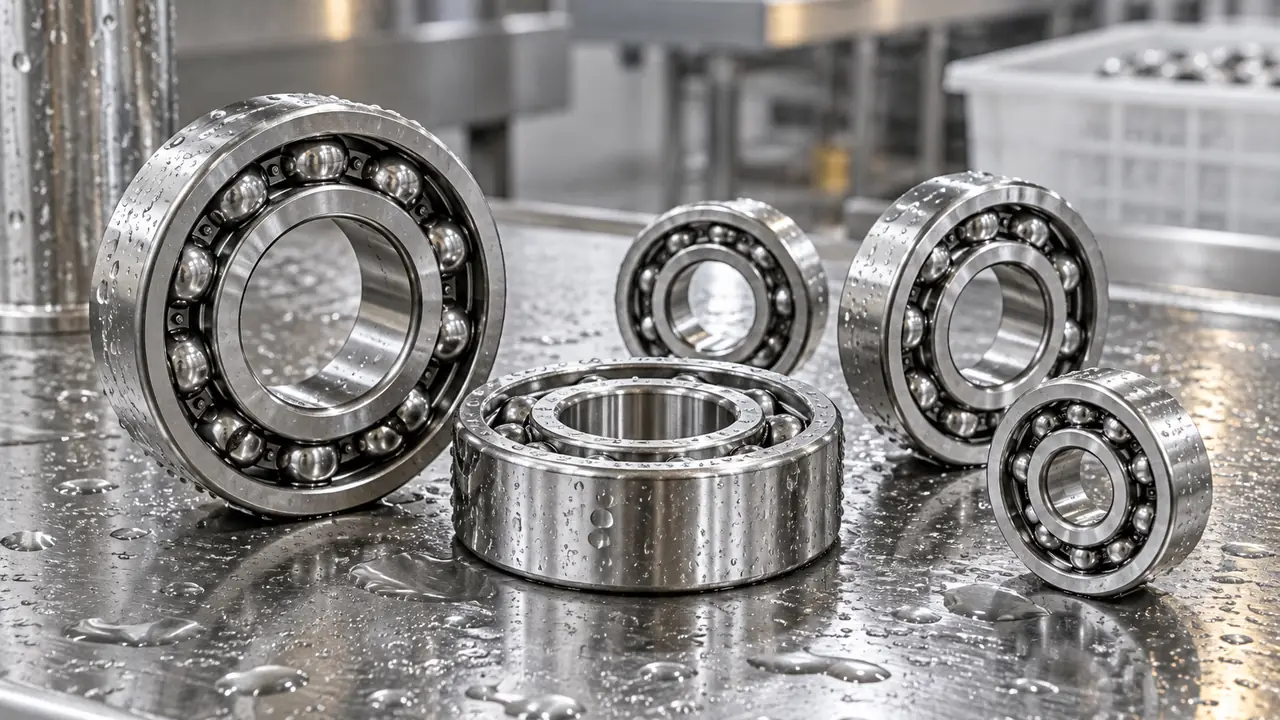
- Stainless steel bearings. 440C or AISI 304 parts for food, chemical and marine environments.
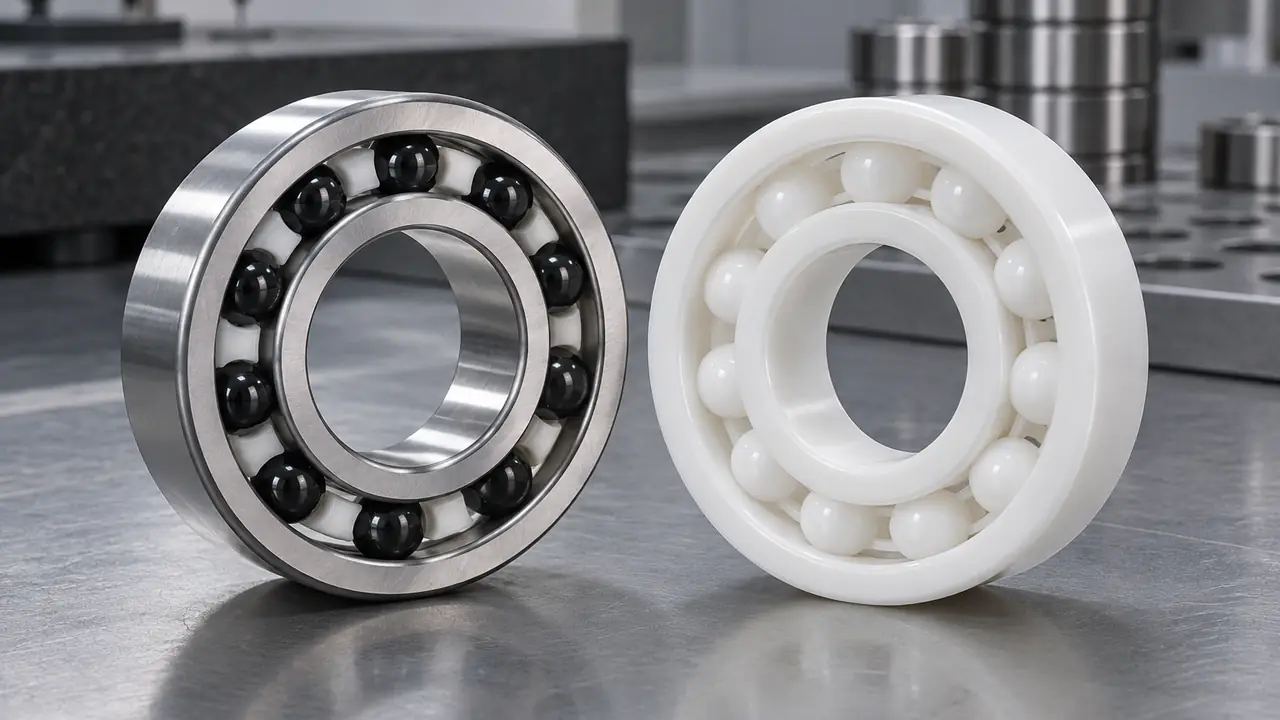
- Ceramic bearings. Hybrid or full ceramic for electrical insulation, speed and corrosion.
- Wear-resistant bearings. Sealing and heat-treatment choices for dust, mud and impact.
Comparison at a glance
| Line | Motion | Best at | Watch out for |
|---|---|---|---|
| Linear bearing | Straight travel | Low friction on a hardened shaft | Shaft hardness and straightness; limited moment load |
| Spherical plain | Slow swing, tilt | Heavy load with misalignment | Relubrication unless maintenance-free; not for fast rotation |
| Pillow block | Rotation | Ready-to-mount, forgiving of misalignment | Set screw loosening; relubrication schedule |
| Plain bearing | Slow rotation, oscillation | Compact, quiet, tolerates dirt | Load and speed limits (PV); shaft finish |
| Stainless steel | Rotation | Corrosion resistance | Lower load capacity than chrome steel |
| Ceramic | High-speed rotation | Insulation, speed, chemical resistance | Brittle under shock; higher cost |
| Wear-resistant | Rotation | Dust, mud, impact | Needs a relubrication routine |
How to choose between them
Three questions narrow the choice quickly. First, is the motion continuous rotation, oscillation or linear travel? Continuous rotation points to rolling bearings, housed units or ceramic hybrids; slow oscillation under load points to spherical plain; linear travel points to a linear bushing or a profile rail. Second, what is the environment - wet, corrosive, dusty, hot, electrically live? That separates stainless, ceramic and wear-resistant builds from the standard set. Third, how will the part be mounted and serviced? A pillow block removes the machined housing from the drawing; a maintenance-free liner removes the greasing schedule from the maintenance plan.
If the duty is ordinary rotation in a clean, dry housing, a standard line is almost always cheaper and easier to source. See ball bearings and roller bearings first, and move to a specialty line only when the application demands it.
How the desk sources them
Specialty lines are made by smaller groups of partner plants than the common deep groove ranges, so shortlisting matters more. Housed units and ball bushings are produced in volume in several clusters; ceramic and stainless parts come from plants with the right grinding and material control. The desk shortlists plants against your material, tolerance and environment, arranges a stock sample where one exists, and confirms the inspection plan before the lot ships. Read the clusters for where the capability sits.
Typical reference ranges apply: standard designations start around 100-500 pieces each, private-label marking around 1,000-5,000 pieces, and non-standard sizes or materials are assessed from the drawing. Stock samples take 3-7 working days; batch production commonly takes 25-45 days. These are reference ranges only, confirmed in writing for each program.
What to send with an enquiry
Give the designation or shaft size, the motion, the load direction, the speed range, the temperature, the environment and the quantity per year. A photo of the old part and the mating shaft or housing drawing helps more than any description. Use the quote form, or measure the part first with the size chart.